

Baby Teething
Trusted by 600+ patients since 2025.
What Is Baby Teething?
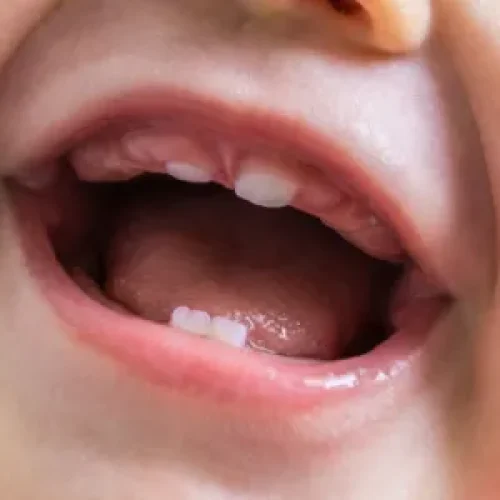
Teething is a natural process where a baby’s first teeth begin erupting through the gums, usually starting around 6 months of age, followed by symptoms such as fussiness, drooling, or gum swelling — and every baby may experience this differently in timing and severity.
Baby Teeth Eruption Chart (Reference)
| Age (approximate) | Tooth |
|---|---|
| 6–10 months | Lower central incisors |
| 8–12 months | Upper central incisors |
| 9–16 months | Lateral incisors |
| 13–19 months | First molars |
| 16–23 months | Canines |
| 23–33 months | Second molars |
Every baby is different, this chart is a general guide only. Confirm with a dentist if you have concerns about your child’s tooth development.
Signs & Symptoms Of Baby Teething

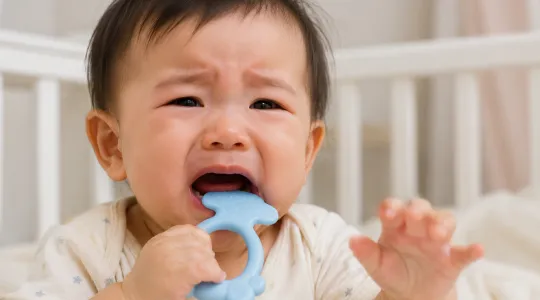
Fussy Or Irritable Baby
Your baby crying more easily and being harder to soothe than usual, especially at night.
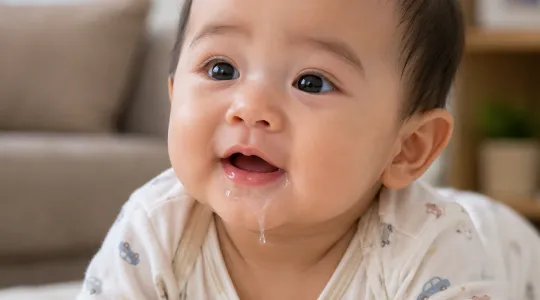
Increased Drooling
Saliva production noticeably increases during teething — this is normal and not a sign of infection.
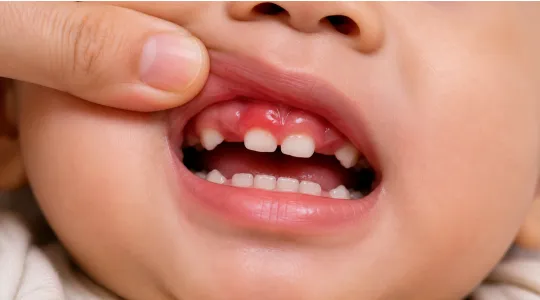
Swollen Or Red Gums
The area where the tooth will emerge appears red, slightly swollen, or more sensitive to touch.
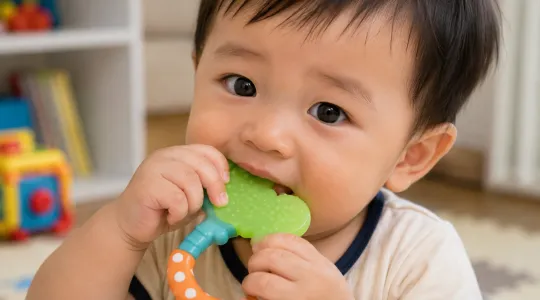
Frequent Chewing On Objects
Your baby frequently chewing on toys, fingers, or anything within reach to ease gum pressure.
Effects If These Signs Are Left Unaddressed
Baby’s Discomfort May Continue
Without steps to ease discomfort, your baby may continue to be fussy and have trouble sleeping throughout the teething period, affecting both the baby’s and parents’ rest. An early dentist assessment can help determine the best way to help your child.
Warning Signs May Go Unnoticed
Certain symptoms such as high fever are NOT a typical sign of teething alone — without assessment, the actual cause (such as infection) may go unnoticed and the condition could become more serious if not addressed early.
When Should You See A Dentist?
Get an examination if:
- A high fever doesn’t ease, this is NOT a typical teething sign alone and needs assessment
- Severe gum swelling or unusual bleeding
- Your baby refuses food or drink for an extended period
- You’re unsure whether it’s teething or a sign of another problem
Every baby experiences teething differently, the dentist will assess your child’s condition and provide the most suitable guidance after examination.
Treatment & Examination At Aesira Dental Clinic
Children Dentistry
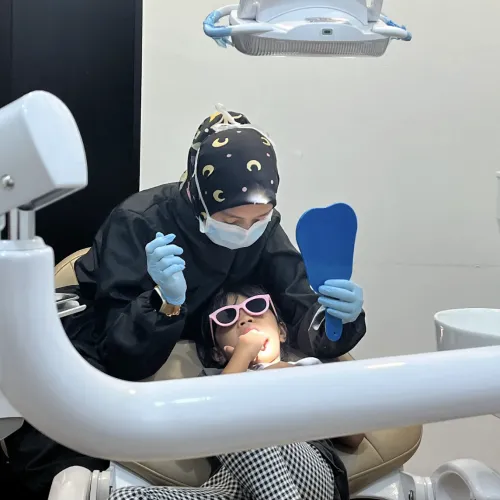
Your child’s first dental examination to monitor baby teeth growth and oral health from an early age — a child-friendly approach ensures a comfortable experience.
Fluoride Treatment
Professional fluoride application to protect newly erupted baby teeth from early decay, can be done as soon as your child’s first tooth appears.
Why Choose Aesira Dental Clinic?
Open 9AM – 9PM
Most dental clinics close early. You can book your appointment even after work hours.
Pain-Free, Fear-Free
Receive treatment with minimal discomfort no need to feel anxious.
0% Instalment — 24 Months
Don't let cost hold you back. Pay in flexible, interest-free monthly instalments.
Licensed & Trusted Dentists
All our dentists are certified and registered under the Malaysian Dental Council (MDC).
600+ Five-Star Reviews
Aesira Dental Clinic is trusted by 600+ patients in Kajang and surrounding areas.
Child-Friendly Dental Clinic
Our dentists are experienced in keeping children calm and comfortable during treatment.
Dr. A'tikah U'zied
Dental Surgeon
Dr. A’tikah U’zied is a Dental Surgeon at Aesira Dental Clinic Kajang with a special interest in preventive dentistry, paediatric dentistry, and cosmetic treatments. She is known for her gentle approach and commitment to making every visit comfortable.
Registered with the Malaysian Dental Council (MDC No. 13130), Dr. A’tikah provides evidence-based dental care for patients of all ages.
Related Problems
FAQ Baby Teething
Does teething always cause a fever?
Teething may cause a slight rise in body temperature, but a HIGH fever isn’t a typical sign of teething alone — if the fever doesn’t ease, get a dentist assessment to rule out other causes such as infection.
At what age do babies usually get their first tooth?
Most babies get their first tooth around 6 months of age, though some may start earlier or later — the normal range is generally between 4–12 months. If you have concerns, a dentist can provide an assessment.
When should I bring my child for their first dental check-up?
Recommended as soon as the first tooth erupts, or around one year of age — earlier is better so the dentist can monitor tooth growth and catch any issues early.
Do I need to brush my baby's teeth even if only one or two have erupted?
Yes, start cleaning your baby’s teeth as soon as the first tooth erupts using a soft brush and a small amount of age-appropriate fluoride toothpaste. This habit helps prevent early decay on baby teeth.
What can I do to ease my baby's discomfort during teething?
A chilled (not frozen) teether and gentle gum massage can help ease your baby’s discomfort. Avoid gels or medication without a dentist’s advice — ask your dentist for safe recommendations suited to your child’s age.
Aesira Dental Clinic Location
- 8, Jalan Reko Sentral 8, Reko Sentral, 43000 Kajang, Selangor
- 011-5897 1137
-
Mon–Sat: 9AM – 9PM
Sun: 9AM – 6PM